Cents and Sensibility: How FDA-Approved Indian Generics Are Reshaping Drug Affordability for American Patients
Photo: Perryholz, CC BY-SA 3.0, via Wikimedia Commons
When a patient at a Chicago pharmacy fills a prescription for metformin or lisinopril, there is a reasonable chance the tablet in that orange bottle traveled more than 8,000 miles from a manufacturing facility in Hyderabad, Ahmedabad, or Pune. India's pharmaceutical sector quietly underpins a substantial portion of American medicine cabinets — and for millions of patients navigating the chronic-disease landscape, that geographic fact translates directly into financial relief.
Yet despite the scale of this relationship, a persistent fog of uncertainty surrounds Indian-made generics among US consumers. Questions about quality, consistency, and regulatory oversight frequently surface in patient forums and physician consultations alike. A closer examination of the data, however, reveals a picture that is considerably more reassuring than the skepticism suggests.
The Scale of India's Contribution to US Drug Supply
India is, by virtually every metric, the world's largest exporter of generic pharmaceuticals. According to the Pharmaceuticals Export Promotion Council of India (Pharmexcil), the country exports medicines to more than 200 nations, with the United States representing its single largest market. Approximately 40 percent of generic drugs and roughly 10 percent of all finished dosage forms consumed in the US originate from Indian manufacturers.
More than 300 US Food and Drug Administration (FDA)-approved manufacturing facilities operate across India — a figure that exceeds the number of such approved sites in any country outside the United States itself. Companies including Sun Pharmaceutical Industries, Dr. Reddy's Laboratories, Cipla, Lupin, and Aurobindo Pharma collectively hold hundreds of Abbreviated New Drug Applications (ANDAs), the regulatory pathway through which generics gain US market authorization.
This is not a peripheral arrangement. It is a structural dependency that the American healthcare system has built over several decades.
What FDA Approval Actually Means for an Indian Manufacturer
A common misconception holds that drugs made overseas receive lighter regulatory scrutiny than those manufactured domestically. For FDA-approved products, this is demonstrably false.
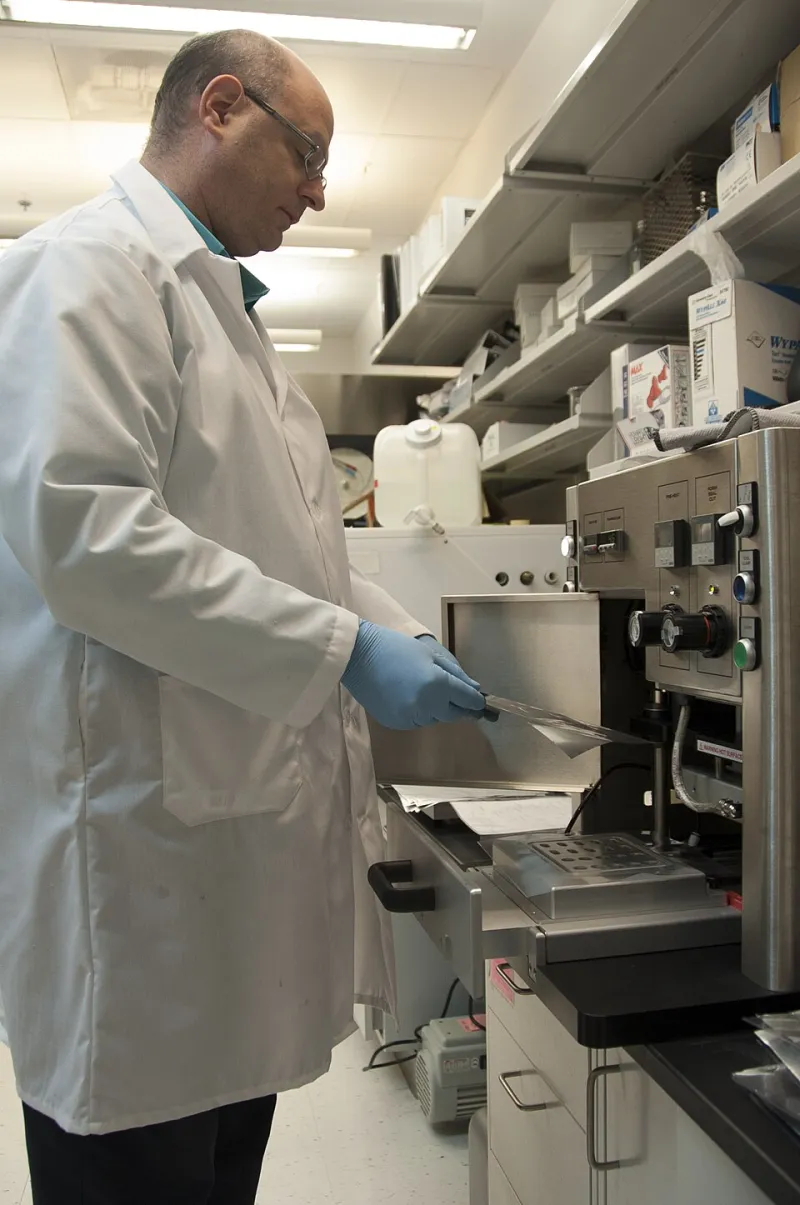
The FDA's Office of Pharmaceutical Quality conducts inspections of foreign manufacturing facilities on a risk-based schedule that mirrors the standards applied to domestic plants. Inspectors evaluate Current Good Manufacturing Practice (cGMP) compliance, data integrity protocols, environmental monitoring, equipment qualification, and batch release procedures. An Indian facility supplying the US market must satisfy the same statutory and regulatory requirements as a plant in New Jersey or North Carolina.
Furthermore, the FDA's Generic Drug User Fee Amendments (GDUFA) program, reauthorized most recently in 2022, specifically funds enhanced foreign inspection capacity. Between fiscal years 2018 and 2023, the FDA conducted thousands of inspections at Indian sites, issuing Warning Letters and import alerts when deficiencies were found — the same enforcement mechanisms applied globally.
Generic drugs themselves must demonstrate bioequivalence to their brand-name reference listed drugs. This means the active ingredient must be absorbed at the same rate and to the same extent as the original formulation, within established statistical bounds. The therapeutic effect, in other words, is required to be clinically equivalent.
Addressing the Safety Misconceptions Directly
Critics occasionally point to high-profile enforcement actions — Warning Letters issued to Ranbaxy (now Sun Pharma's legacy entity) or inspection findings at specific Wockhardt facilities — as evidence of systemic quality failures. These incidents warrant acknowledgment, not dismissal.
However, context matters considerably. The FDA has issued Warning Letters to US-based manufacturers as well, including major domestic facilities operated by companies such as Pfizer and Hospira. Quality lapses are a manufacturing challenge that transcends national borders. The existence of enforcement actions at some Indian facilities does not indict the entire sector any more than domestic incidents indict American manufacturing wholesale.
Independent quality assessments from organizations such as the United States Pharmacopeia (USP) and the International Pharmaceutical Federation have consistently found that Indian generics meeting FDA approval criteria perform within acceptable therapeutic parameters. Patient advocacy groups focused on diabetes, hypertension, and HIV treatment — conditions where generic substitution is most prevalent — have not documented clinical outcome disparities attributable to Indian-origin products at scale.
The Arithmetic of Chronic Disease Management
For American patients managing long-term conditions, the cost differential between brand-name drugs and generic equivalents can be staggering. Consider a few illustrative comparisons drawn from publicly available pricing data:
Type 2 Diabetes: Metformin, the first-line oral diabetes medication recommended by the American Diabetes Association, is available as a generic for as little as $4 to $10 per month at major US pharmacy chains. The brand-name version, Glucophage, can cost upward of $50 to $100 monthly without insurance. Many of the generic metformin tablets dispensed in the US are manufactured or active-ingredient-sourced from Indian facilities.
Hypertension: Lisinopril, one of the most prescribed ACE inhibitors in the country, retails generically at roughly $10 to $20 per month. Brand equivalents such as Zestril have historically commanded prices several multiples higher. With nearly 50 percent of American adults diagnosed with hypertension, the aggregate savings across the population are measured in billions of dollars annually.
HIV Treatment: India's role in antiretroviral manufacturing has been particularly consequential on a global scale. Domestically, generic versions of tenofovir disoproxil fumarate and lamivudine, sourced in part from Indian manufacturers, have dramatically reduced the out-of-pocket burden for uninsured and underinsured patients accessing treatment through federally qualified health centers.
The nonprofit research organization RAND Corporation has estimated that generic drug use saves the US healthcare system more than $300 billion annually. India's manufacturing capacity is a material contributor to that figure.
What Patients and Prescribers Should Know
For clinicians counseling patients about generic substitution, the regulatory framework provides a defensible foundation for confidence. When a pharmacist substitutes an FDA-approved generic — regardless of its country of manufacture — the substitution has cleared a rigorous evidentiary bar.
Patients with concerns about specific products can consult the FDA's Orange Book, which lists all approved drug products along with their therapeutic equivalence ratings. An "AB" rating confirms that the generic has been found bioequivalent to the reference listed drug. The FDA also maintains a publicly searchable database of Warning Letters and import alerts, allowing consumers and healthcare providers to verify the current compliance status of specific manufacturers.
For patients on fixed incomes, those in the Medicare Part D coverage gap, or individuals without comprehensive prescription drug coverage, the availability of Indian-manufactured generics is not an abstract policy question. It is a practical determinant of whether a prescribed medication is actually taken as directed — a factor with direct implications for health outcomes.
A Partnership Built on Mutual Necessity
The relationship between India's pharmaceutical industry and American healthcare is, at its core, a convergence of complementary interests. India possesses the manufacturing scale, technical workforce, and cost structure to produce high-volume generics efficiently. The United States possesses the world's largest and most lucrative pharmaceutical market, along with a regulatory architecture that sets a globally respected quality benchmark.
For American patients, the practical upshot is access to a broad formulary of affordable, rigorously evaluated medicines. For Indian manufacturers, the US market represents both a revenue opportunity and a reputational proving ground. The FDA's standards are unforgiving precisely because the stakes — patient safety — demand it.
As drug pricing remains a persistent legislative and social concern in the United States, the infrastructure that Indian generics provide is likely to grow in strategic importance. Policymakers, payers, and patients would all benefit from a clearer understanding of how that infrastructure actually functions — and why the medications it produces deserve the same clinical confidence extended to any FDA-approved product.