Silent Sentinels: How India's Pharmacovigilance Networks Are Protecting American Patients Before Warning Signs Become Crises
When a medication reaches a pharmacy shelf in Chicago or Houston, most patients reasonably assume that its safety profile has been thoroughly established. What they are unlikely to know is that a team of pharmacovigilance specialists in Hyderabad or Pune may have been monitoring that very compound across tens of thousands of patients for months — quietly flagging patterns that no single US clinical site could detect on its own.
This is not a hypothetical scenario. It is the increasingly routine reality of how Indian pharmaceutical companies contribute to global drug safety, and its implications for the American healthcare system deserve far greater attention than they have received.
The Scale Advantage That Changes Everything
India's position as the world's largest supplier of generic medicines to the United States creates an often-overlooked epidemiological advantage. When an Indian manufacturer supplies a drug to 40 million American patients while simultaneously marketing the same compound across Southeast Asia, Africa, and domestic Indian markets, the post-market safety dataset generated across those populations is extraordinary in its breadth.
The Pharmacovigilance Programme of India, administered through the Indian Pharmacopoeia Commission and linked to the WHO's Uppsala Monitoring Centre, has been operational in its current form since 2010. Over that period, India's network of Adverse Drug Reaction Monitoring Centres — numbering more than 250 across the country — has built one of the largest spontaneous reporting databases outside the United States and European Union.
For Indian pharmaceutical companies with significant US market exposure, this infrastructure is not merely a regulatory obligation. It has become a competitive asset, enabling the kind of longitudinal safety analysis that compressed clinical trial timelines rarely permit.
Reading the Signal Before the Alarm Sounds
The distinction between a safety signal and a confirmed safety finding is critical in pharmacovigilance. A signal is a pattern — an unexpected clustering of adverse events that may or may not indicate a genuine causal relationship with a drug. Identifying signals early, before they solidify into confirmed risks, is where Indian pharmacovigilance teams have demonstrated particular capability.
Consider the therapeutic category of proton pump inhibitors, among the most widely prescribed drug classes in the United States. Indian manufacturers supplying generic versions of these compounds to the US market have, over the past decade, operated pharmacovigilance programs monitoring adverse event data across patient populations in multiple countries simultaneously. When signals related to hypomagnesemia and long-term kidney function emerged in these datasets, internal safety review boards at several Indian companies had documented preliminary evidence prior to the broader regulatory communications that followed from Western agencies.
Similarly, in the area of fluoroquinolone antibiotics — a category where the FDA has issued multiple successive safety communications strengthening warnings around peripheral neuropathy and tendon damage — Indian pharmacovigilance teams monitoring real-world use across large patient populations in South Asia identified disproportionate reporting of musculoskeletal adverse events at rates that, in retrospect, preceded formal regulatory action in the United States.
These are not instances of Indian regulators outpacing the FDA. They are instances of geographically distributed safety monitoring producing redundant, complementary signals that collectively accelerate the global recognition of drug risk.
How the Data Flows — and Where It Reaches
Understanding the operational mechanics of Indian pharmacovigilance requires appreciating the layered reporting structure that Indian pharmaceutical companies maintain for their US-facing products.
For any drug approved by the FDA, the US marketing authorization holder — whether an Indian company's American subsidiary or a licensed US partner — is obligated to submit Individual Case Safety Reports and Periodic Adverse Drug Experience Reports to the FDA's MedWatch system. Behind those submissions, however, lies a global safety database maintained by the Indian parent company, aggregating adverse event data from every market in which the compound is sold.
This global database is where the analytical work happens. Trained pharmacovigilance scientists apply signal detection algorithms — including disproportionality analyses such as the Reporting Odds Ratio and the Information Component method used by the Uppsala Monitoring Centre — to identify patterns that warrant escalation. When a signal clears the threshold for regulatory notification, it flows simultaneously to the FDA, the European Medicines Agency, and any other relevant national authority.
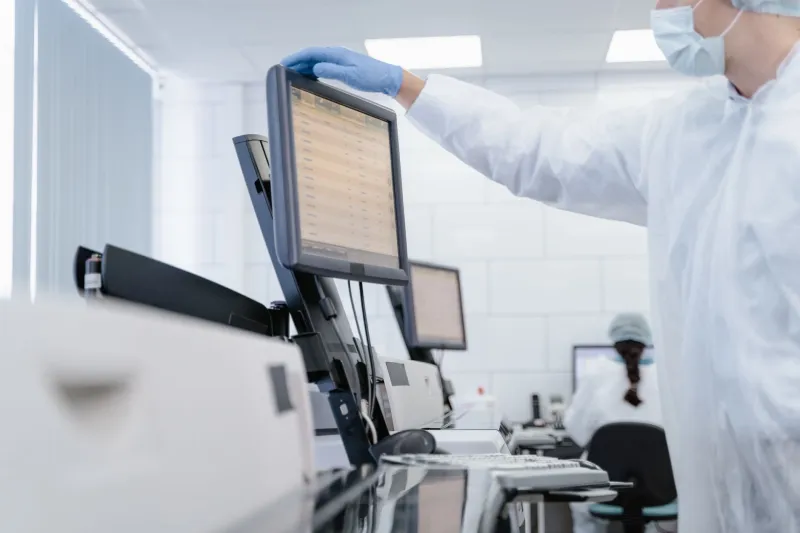
The speed of that notification has improved substantially as Indian companies have invested in dedicated pharmacovigilance technology platforms. Several major Indian pharmaceutical groups now operate 24-hour safety monitoring centers staffed by physicians, pharmacists, and data scientists, with direct electronic submission capabilities to the FDA's E2B reporting gateway.
The Human Infrastructure Behind the Numbers
Data systems do not operate themselves. One of the less-discussed dimensions of India's pharmacovigilance capacity is the depth of its trained human capital.
Indian universities and professional bodies have developed pharmacovigilance as a recognized subspecialty, producing graduates who enter industry safety departments with specific training in signal detection methodology, regulatory writing, and risk management planning. The Indian Pharmacological Society and the Society of Pharmacovigilance India have contributed to standardizing professional competencies across the field.
For US patients, the practical consequence is that the adverse event data submitted to the FDA by Indian pharmaceutical companies is increasingly the product of sophisticated, dedicated safety science rather than a compliance checkbox exercise. Several Indian companies have established pharmacovigilance centers of excellence that provide safety monitoring services not only for their own products but on a contract basis for multinational pharmaceutical clients — including American companies seeking to leverage India's analytical capacity and cost efficiency.
What This Means for the American Patient
The American healthcare system benefits from pharmacovigilance redundancy in ways that are rarely made explicit to patients or even to prescribing physicians. When the FDA's Adverse Event Reporting System receives a submission from an Indian pharmaceutical company documenting a safety signal identified through global monitoring, that data point contributes to a regulatory picture that might otherwise develop more slowly.
For patients managing chronic conditions with long-term medication regimens — diabetes, hypertension, psychiatric illness — the cumulative effect of earlier signal identification can be significant. A label update that strengthens a contraindication, or a risk evaluation and mitigation strategy implemented six months earlier than it might otherwise have been, translates directly into reduced patient harm.
The FDA has, over recent years, strengthened its formal engagement with international pharmacovigilance networks, including through the International Coalition of Medicines Regulatory Authorities. India's Central Drugs Standard Control Organisation participates in these frameworks, creating institutional channels through which safety intelligence generated in Indian monitoring programs can inform US regulatory deliberation.
An Underappreciated Pillar of Drug Safety
The narrative around Indian pharmaceutical companies and the US market has, understandably, concentrated on manufacturing quality, pricing, and market access. Pharmacovigilance has received comparatively little public attention, in part because its successes are defined by harms prevented rather than treatments delivered — an outcome that is inherently difficult to make visible.
That invisibility should not be mistaken for insignificance. As the American patient population continues to rely on Indian-manufactured medicines for a substantial proportion of its pharmaceutical needs, the safety monitoring systems that Indian companies maintain are not peripheral to US healthcare. They are embedded within it — operating continuously, across time zones and patient populations, as a distributed early warning infrastructure whose value is measured in the adverse events that never escalate into crises.
For medical professionals and patients alike, that is a form of pharmaceutical expertise worth understanding.