The Authenticity Imperative: How Indian Pharmaceutical Manufacturers Are Leading the Fight Against Counterfeit Drugs in the American Supply Chain
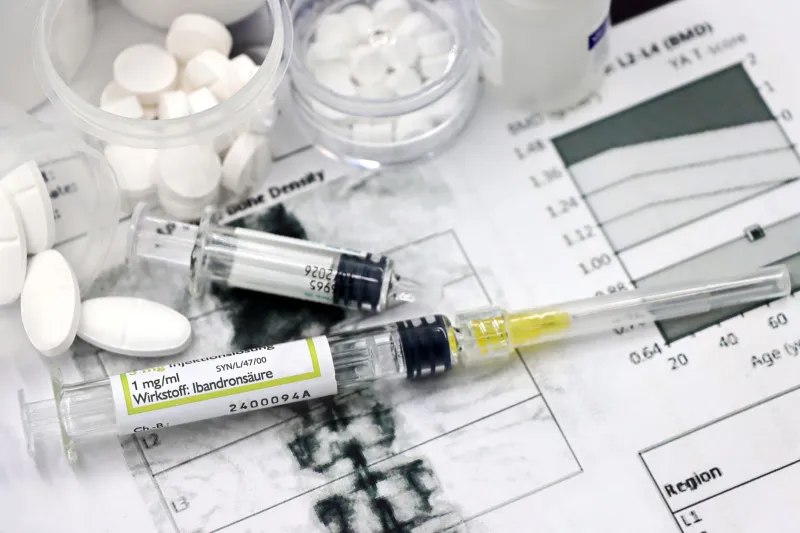
The pill looks identical. The packaging is indistinguishable. The lot number traces correctly through the system. And yet the medication inside may contain no active ingredient whatsoever—or worse, a toxic substitute that will harm the patient who takes it in good faith.
This is the counterfeit drug problem, and it is far more prevalent in the United States than most Americans realize. The World Health Organization estimates that roughly one in ten medical products circulating in low- and middle-income countries is substandard or falsified, but the threat is no longer confined to developing markets. The FDA has documented hundreds of counterfeit drug incidents within the US supply chain over the past decade, and enforcement actions have uncovered falsified versions of everything from cancer medications to blood thinners to widely used cardiovascular drugs.
What is less understood—and rarely discussed—is the role that Indian pharmaceutical manufacturers are playing in constructing a technological defense against this threat.
Understanding the Vulnerability
America's pharmaceutical supply chain is extraordinarily complex. A single medication may pass through a manufacturer, a primary wholesaler, multiple secondary distributors, a pharmacy benefits manager, and finally a retail or hospital pharmacy before reaching a patient. Each handoff in that chain represents a potential point of entry for a falsified product.
The Drug Supply Chain Security Act (DSCSA), enacted in 2013 and fully implemented in 2023, was designed to address this vulnerability by requiring serialization and electronic traceability for all prescription drug products sold in the United States. Every package must carry a unique product identifier, and that identifier must be verifiable at every point in the distribution chain. The legislation represented a significant step forward, but compliance and enforcement remain uneven, and sophisticated counterfeiters have proven capable of replicating even serialized packaging.
For Indian manufacturers, who collectively supply approximately 40 percent of the generic drugs consumed in the United States, DSCSA compliance is not merely a regulatory obligation—it is a commercial and reputational imperative. A single high-profile counterfeiting incident linked to an Indian manufacturer's product line, whether through genuine fraud or supply chain infiltration, could be catastrophic for market access and patient trust.
Blockchain as a Chain of Custody
Several leading Indian pharmaceutical companies have moved beyond the minimum requirements of DSCSA to implement blockchain-based track-and-trace systems that create immutable, real-time records of every product's journey from manufacturing floor to pharmacy shelf.
The appeal of blockchain in this context lies in its fundamental architecture. Unlike conventional database systems, a distributed ledger cannot be retroactively altered by any single participant. Every transaction—every transfer of custody, every temperature log, every inspection record—is permanently encoded in a chain that any authorized party can verify but no single party can manipulate. For a pharmaceutical supply chain that spans multiple countries, dozens of intermediaries, and regulatory jurisdictions with different documentation standards, this immutability is enormously valuable.
Sun Pharmaceutical Industries, one of India's largest pharmaceutical companies and a major US market participant, has invested in blockchain-enabled supply chain platforms that allow US healthcare providers and distributors to verify product authenticity in real time. Cipla and Dr. Reddy's Laboratories have similarly advanced their serialization and traceability infrastructure, building systems designed to satisfy not only current DSCSA requirements but the more stringent interoperability standards anticipated in future regulatory updates.
Serialization Beyond Compliance
The most sophisticated Indian manufacturers have recognized that serialization—the assignment of unique identifiers to individual product packages—is only the foundation of an effective anti-counterfeiting strategy. The identifier itself can be copied; what cannot be easily replicated is the real-time data ecosystem surrounding it.
Leading Indian firms are implementing multi-layered authentication systems that combine 2D barcodes with covert security features such as laser perforation patterns, color-shifting inks, and thermochromic elements that respond to temperature. Some manufacturers have introduced smartphone-scannable QR codes that connect to cloud-based verification platforms, allowing pharmacists, healthcare providers, and even patients to confirm product authenticity within seconds.
These overt and covert security layers work in tandem. A counterfeiter who successfully replicates the visible packaging will fail the covert authentication check. A falsified product that bypasses the physical security features will still lack the genuine serialization data required for supply chain verification. The combination creates redundancy that substantially raises the cost and complexity of producing convincing counterfeits.
Expert Perspectives on Supply Chain Transparency
Drug safety specialists who work with US hospital systems have noted a meaningful shift in how Indian manufacturers approach supply chain transparency. Whereas compliance with FDA documentation requirements was historically treated as a back-office function, leading Indian firms are now positioning supply chain integrity as a core quality attribute—something communicated proactively to US buyers and integrated into procurement decisions.
"What we are seeing from the better Indian manufacturers is a genuine commitment to end-to-end visibility," one US hospital pharmacy director observed in a recent industry forum. "They are not waiting to be asked for documentation. They are building systems that make authentication routine rather than exceptional."
This cultural shift has practical consequences. When a US hospital or pharmacy chain can verify the provenance of every unit in a shipment with a scan rather than a manual audit, the operational friction of supply chain compliance decreases substantially. And when anomalies appear—a lot number that doesn't match expected distribution records, a temperature excursion flag, a geographic inconsistency in the chain of custody—they surface automatically rather than being discovered after patient harm has occurred.
The DSCSA Interoperability Challenge
One of the most significant near-term challenges in pharmaceutical anti-counterfeiting is the requirement for interoperable electronic systems across the entire US supply chain. The FDA's vision for DSCSA implementation involves a network in which serialization data flows seamlessly from manufacturer to wholesaler to dispenser, with every participant able to query and verify product information in real time.
Achieving that interoperability requires not just individual company compliance but industry-wide adoption of compatible data standards. Indian manufacturers, as major supply chain participants, are actively engaged in industry consortia working to develop these standards. The Pharmaceutical Distribution Security Alliance, which includes Indian manufacturers among its members, has been instrumental in developing technical frameworks for DSCSA interoperability that will shape how the US drug supply chain operates for years to come.
A Shared Stake in Patient Safety
The counterfeit drug problem is, at its core, a patient safety crisis—one that disproportionately harms the most vulnerable patients, those managing serious chronic conditions who depend on consistent, reliable medication. For Indian pharmaceutical manufacturers whose business model rests on providing affordable, trustworthy medications to American patients, the integrity of the supply chain is not a peripheral concern.
It is, quite literally, the foundation of everything they have built.