Name Brands You've Never Heard Of: The Indian Pharmaceutical Giants Quietly Stocking America's Generic Drug Market

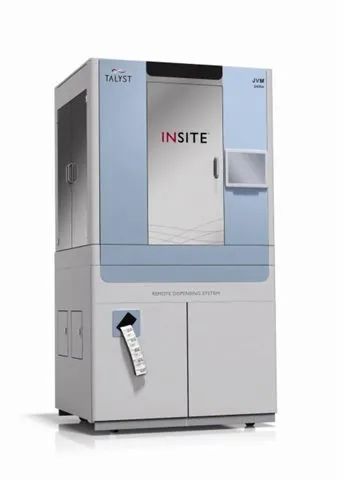
Photo: Dr. Székely János, CC BY-SA 3.0, via Wikimedia Commons
The label on your metformin bottle says it was dispensed by your local pharmacy chain. The active ingredient was likely manufactured thousands of miles away. For a significant share of the generic medications dispensed in the United States each year — estimates from industry analysts suggest Indian manufacturers supply approximately 40 percent of US generic drug volume — the origin story runs through cities like Ahmedabad, Hyderabad, and Mumbai.
Most American patients have no idea which company actually made their medication. That informational gap has real consequences: for understanding drug pricing dynamics, for anticipating supply disruptions, and for evaluating quality assurance when a pharmacist offers a substitution. Here is what the label does not tell you.
Sun Pharmaceutical Industries: The Quiet Market Leader
By revenue, Sun Pharma is India's largest pharmaceutical company and one of the most significant generic drug suppliers to the US market. Its American footprint spans dozens of therapeutic categories, with particular depth in dermatology, psychiatry, and cardiology.
Sun's US portfolio includes generic versions of widely prescribed medications for conditions ranging from acne and psoriasis to schizophrenia and heart failure. The company has made strategic acquisitions in the United States — most notably its 2014 purchase of Ranbaxy Laboratories (itself a former major US generic supplier) — that expanded both its manufacturing capacity and its product registrations with the FDA.
For American patients, Sun's scale translates to consistent availability of complex generics that smaller manufacturers may not have the capability or regulatory bandwidth to produce. The company operates FDA-inspected manufacturing facilities in India and the United States, and its abbreviated new drug applications (ANDAs) represent a substantial portion of the generics currently approved for US distribution.
Dr. Reddy's Laboratories: From Hyderabad to Your Hospital Formulary
Founded in 1984 in Hyderabad, Dr. Reddy's Laboratories has grown into a global generics powerhouse with a particularly strong presence in the US hospital and retail pharmacy channels. The company's American operations are anchored by a robust ANDA portfolio covering oncology, gastrointestinal conditions, pain management, and infectious diseases.
Dr. Reddy's has been notable for its willingness to pursue first-to-file status on complex generics — a regulatory strategy that, under the Hatch-Waxman Act, can confer 180 days of market exclusivity and the pricing power that accompanies it. This approach has allowed the company to capture meaningful market share in high-value generic categories that directly affect out-of-pocket costs for American patients.
The company has also invested in biosimilar development, a category of increasing relevance to US healthcare as patents on major biologic drugs expire. Dr. Reddy's biosimilar pipeline represents a potential source of significant cost savings for American patients and payers in the coming decade.
Cipla: The Access-First Manufacturer with a Growing US Presence
Cipla occupies a distinctive position in the Indian pharmaceutical landscape. The company built its global reputation on a commitment to affordable access — most famously through its early production of low-cost antiretroviral medications for HIV/AIDS patients in sub-Saharan Africa. That access-oriented philosophy has increasingly been applied to the US market.
In the United States, Cipla's generic portfolio is concentrated in respiratory therapy, where it supplies generic albuterol inhalers and other bronchodilators that are among the most frequently dispensed medications in American pharmacies. The company has also expanded into complex injectable generics, a category where manufacturing barriers to entry are high and Indian manufacturers with robust sterile manufacturing capabilities have a meaningful competitive advantage.
For American patients managing asthma or chronic obstructive pulmonary disease, Cipla's presence in the US generic inhaler market has been a meaningful driver of price competition in a category historically characterized by limited generic options.
Lupin Limited: Dominant in Antibiotics and Cardiovascular Generics
Lupin is among the top three generic drug companies by prescription volume in the United States, with particular dominance in oral antibiotics, oral contraceptives, and cardiovascular medications. Its cephalosporin antibiotics — widely used for respiratory and urinary tract infections — represent a category where Lupin holds substantial US market share.
The company's manufacturing network includes several US FDA-inspected facilities in India that supply the American market, as well as a US-based manufacturing operation in Somerset, New Jersey. This dual-geography manufacturing footprint provides a degree of supply chain resilience that has become increasingly valued by US pharmacy benefit managers and hospital group purchasing organizations following the supply disruptions of recent years.
Lupin's investment in complex generics — including modified-release formulations and combination products — reflects a broader industry trend toward higher-barrier generics that offer more durable competitive positions than standard oral solid dosage forms.
Aurobindo Pharma: Volume, Breadth, and Vertical Integration
Aurobindo Pharma may be less familiar by name to US consumers than some of its peers, but its products are ubiquitous on American pharmacy shelves. The company is among the largest suppliers of generic antibiotics, antifungals, and cardiovascular medications to the US market by unit volume.
What distinguishes Aurobindo is the degree of its vertical integration. The company manufactures not only finished dosage forms but also the active pharmaceutical ingredients (APIs) that go into them — a capability that provides both cost advantages and supply chain control. For US pharmacies and their patients, this integration can translate to more stable pricing and more reliable availability compared with manufacturers dependent on third-party API suppliers.
Aurobindo has also built a significant presence in the US injectable generics market through its subsidiary Eugia Pharma Specialities, supplying oncology injectables and other sterile products to US hospitals and oncology clinics.
Why Market Concentration Matters for Your Medicine Cabinet
The dominance of a relatively small number of Indian manufacturers in key US generic categories carries implications that extend beyond corporate strategy.
Pricing dynamics: When two or three manufacturers control the majority of supply for a given generic, the price competition that makes generics affordable can erode. Conversely, when Indian manufacturers compete aggressively for market share, the resulting price pressure benefits US patients and payers directly. Understanding who controls supply in a given therapeutic category is essential context for evaluating generic drug pricing trends.
Supply vulnerability: The COVID-19 pandemic illustrated with uncomfortable clarity how concentration of pharmaceutical manufacturing in a single geography creates systemic risk. While Indian manufacturers generally performed well during that period, the experience prompted renewed scrutiny of supply chain diversification — a conversation that is ongoing in US regulatory and policy circles.
Quality accountability: FDA inspection data for Indian manufacturing facilities is publicly available through the agency's Establishment Inspection Report database. Patients and clinicians who wish to evaluate the quality track record of a specific manufacturer supplying their medications can access this information directly, providing a degree of transparency that the pharmacy label alone does not offer.
Understanding the Ecosystem You Already Depend On
The Indian pharmaceutical industry's penetration of the US generic market is not a recent development or a temporary phenomenon — it is a structural feature of American healthcare that has been decades in the making. For US patients, this reality need not be a source of anxiety. FDA oversight of foreign manufacturing facilities, while imperfect, is more rigorous than it has ever been, and the quality standards applied to Indian-manufactured generics are legally identical to those applied to domestically produced products.
What patients and clinicians gain from understanding this ecosystem is agency: the ability to ask informed questions, to interpret drug shortage notifications in context, and to appreciate why the price of a generic medication may change when a major Indian supplier exits or enters the market. In a healthcare system where cost and access are perennial concerns, that understanding is genuinely valuable.